ROOMS
Five atmospheric rooms I designed and built to settle into, with light, movement, long classical recordings and sounds you can mix yourself. A personal Apple TV project, now a paid web experience.
Why I made this project
After making The Midnight Picture House, I wanted to keep creating places. I had enjoyed crafting the cinema room so much that I started exploring other kinds of rooms in Midjourney. That became ROOMS.
It also grew out of something very ordinary in my life: I use rain sounds to help me focus, relax and fall asleep. I made ROOMS for myself, as a place where I could compose an atmosphere with sounds and animation, and started using it a lot.
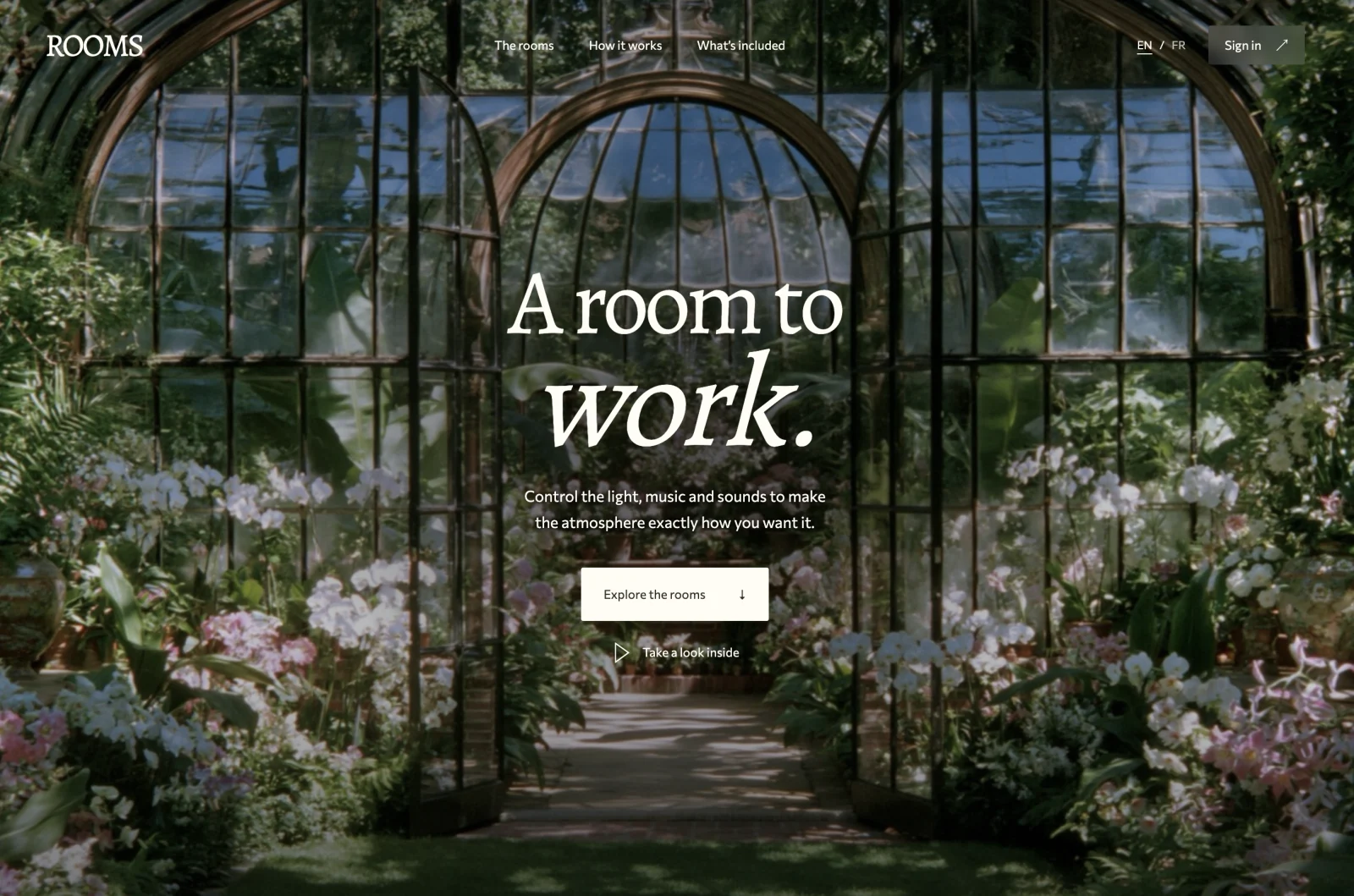
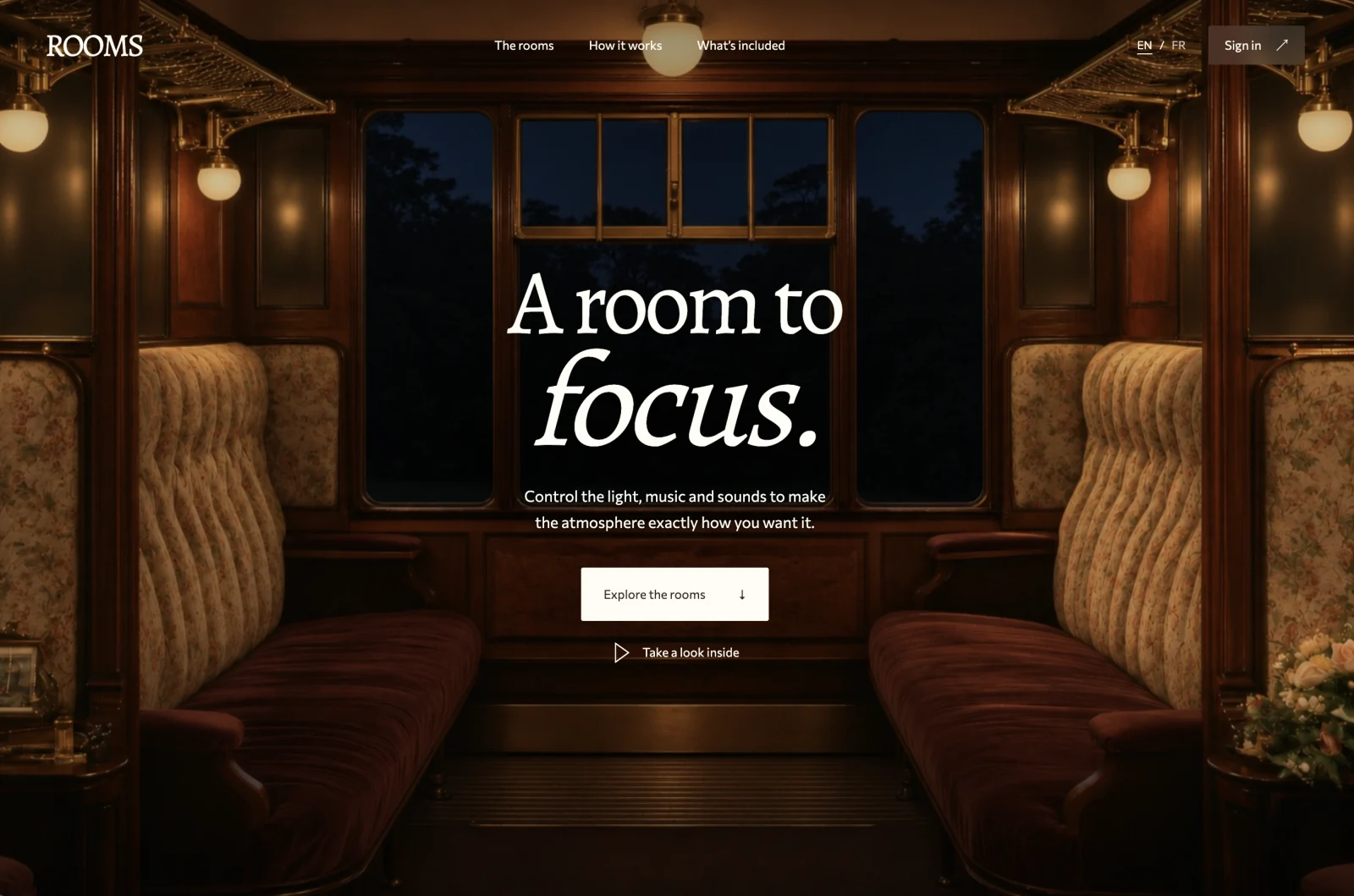
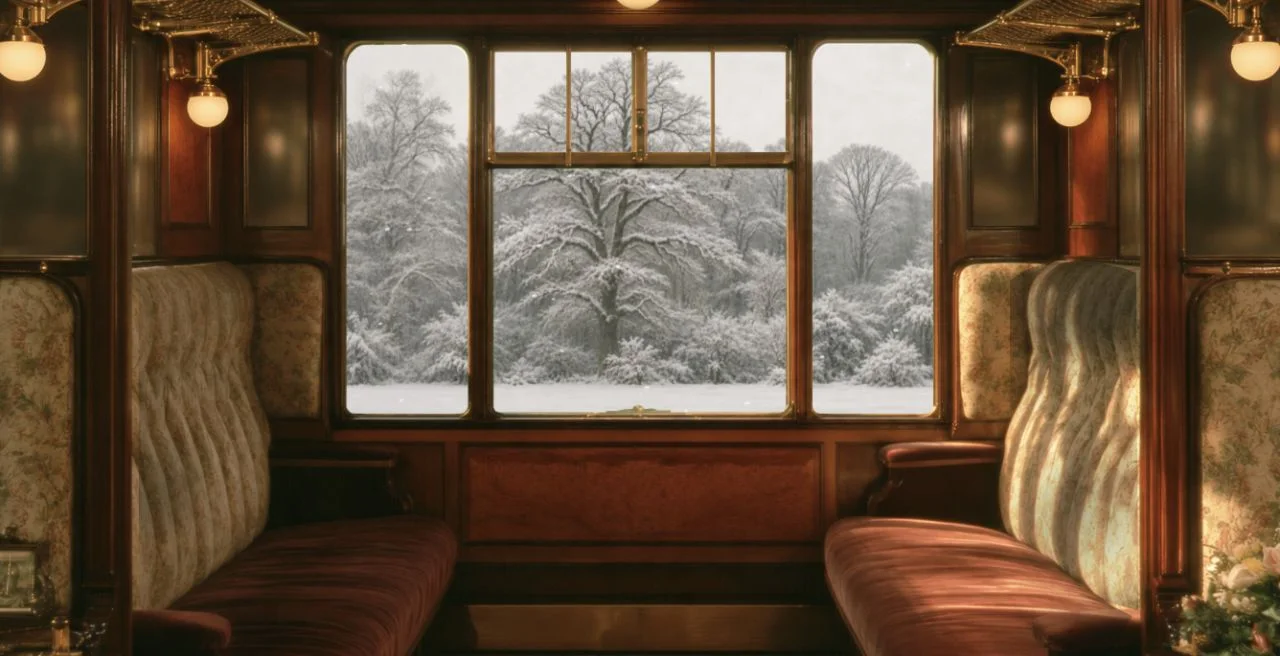
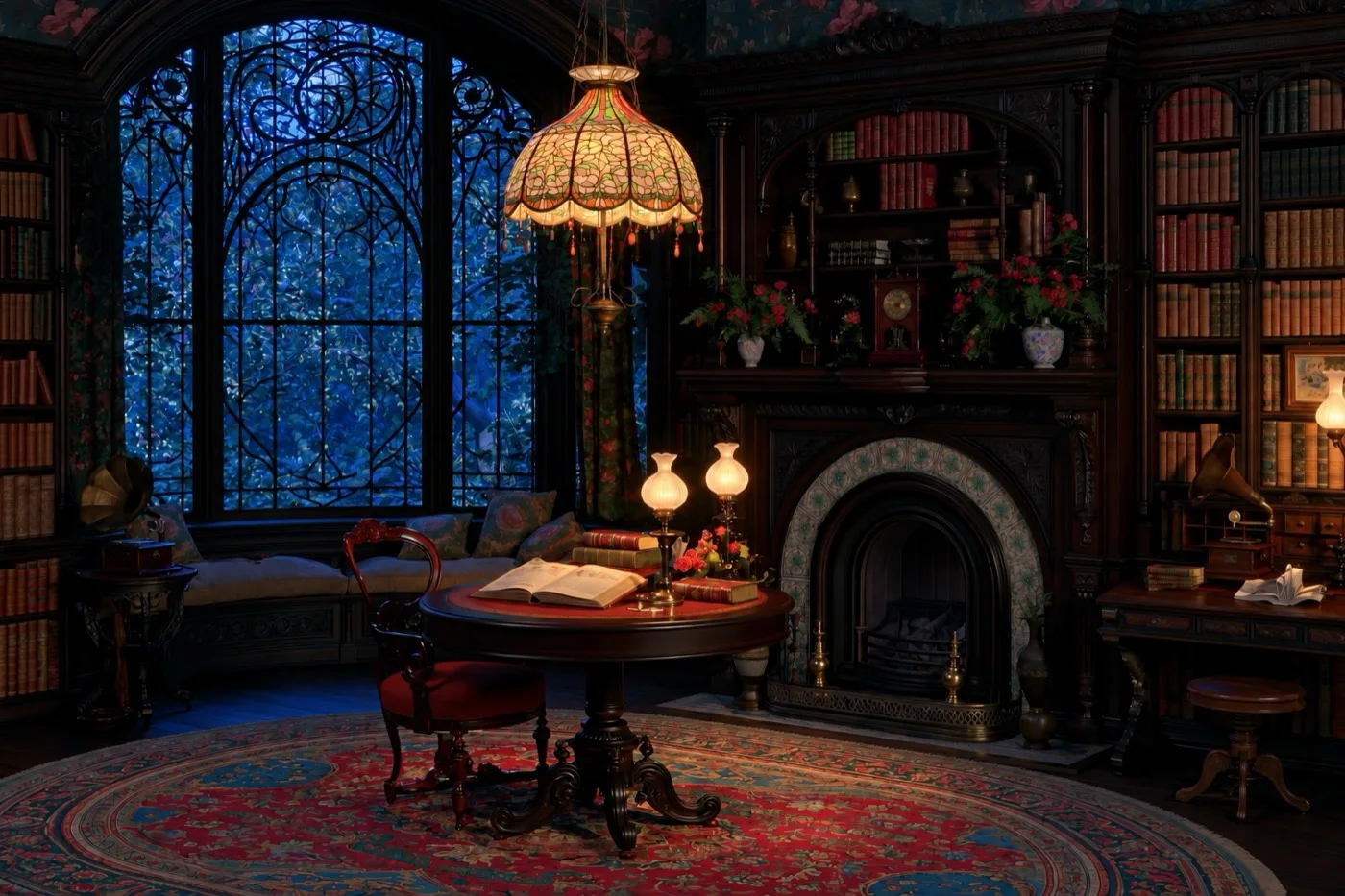
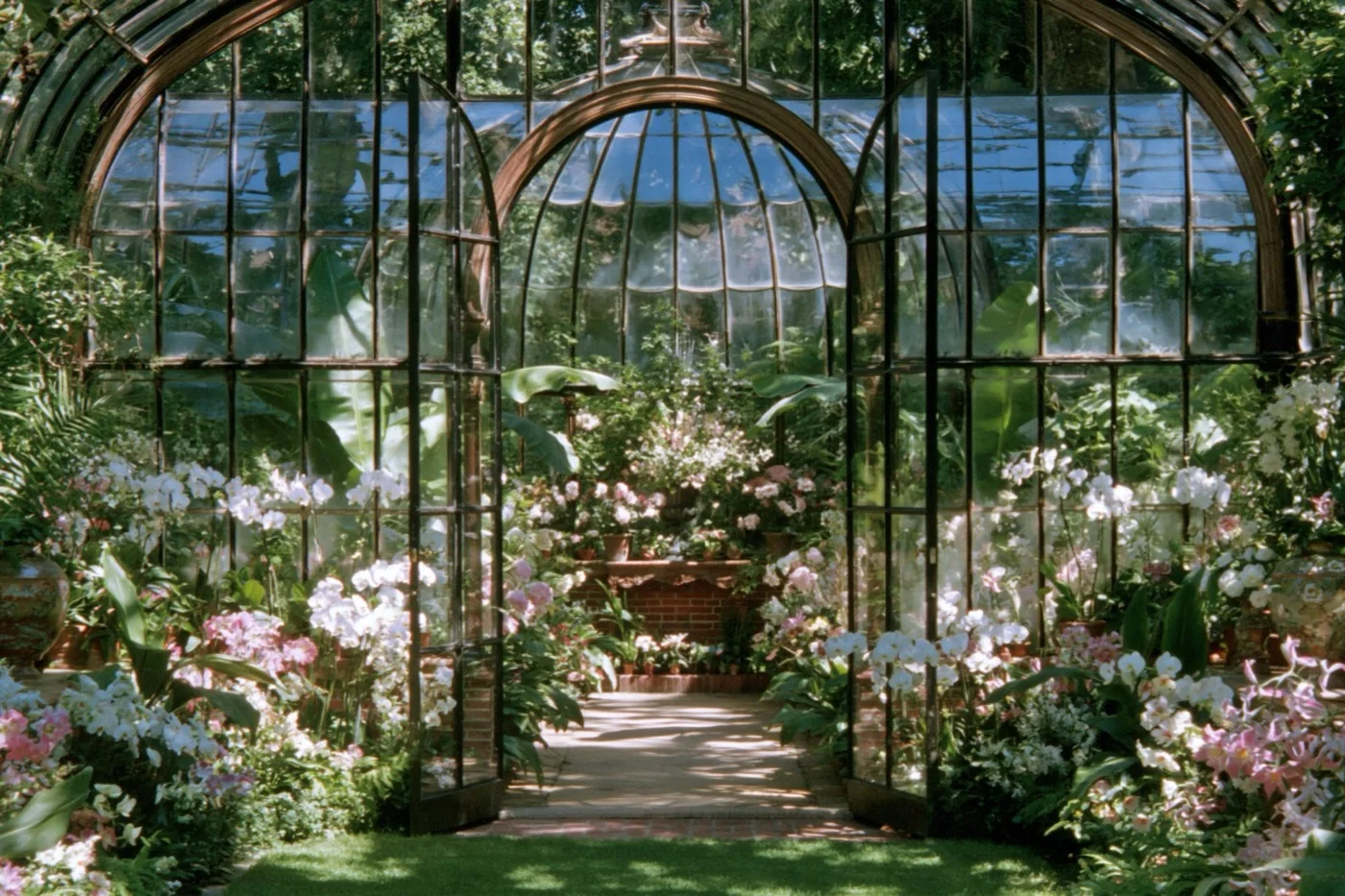
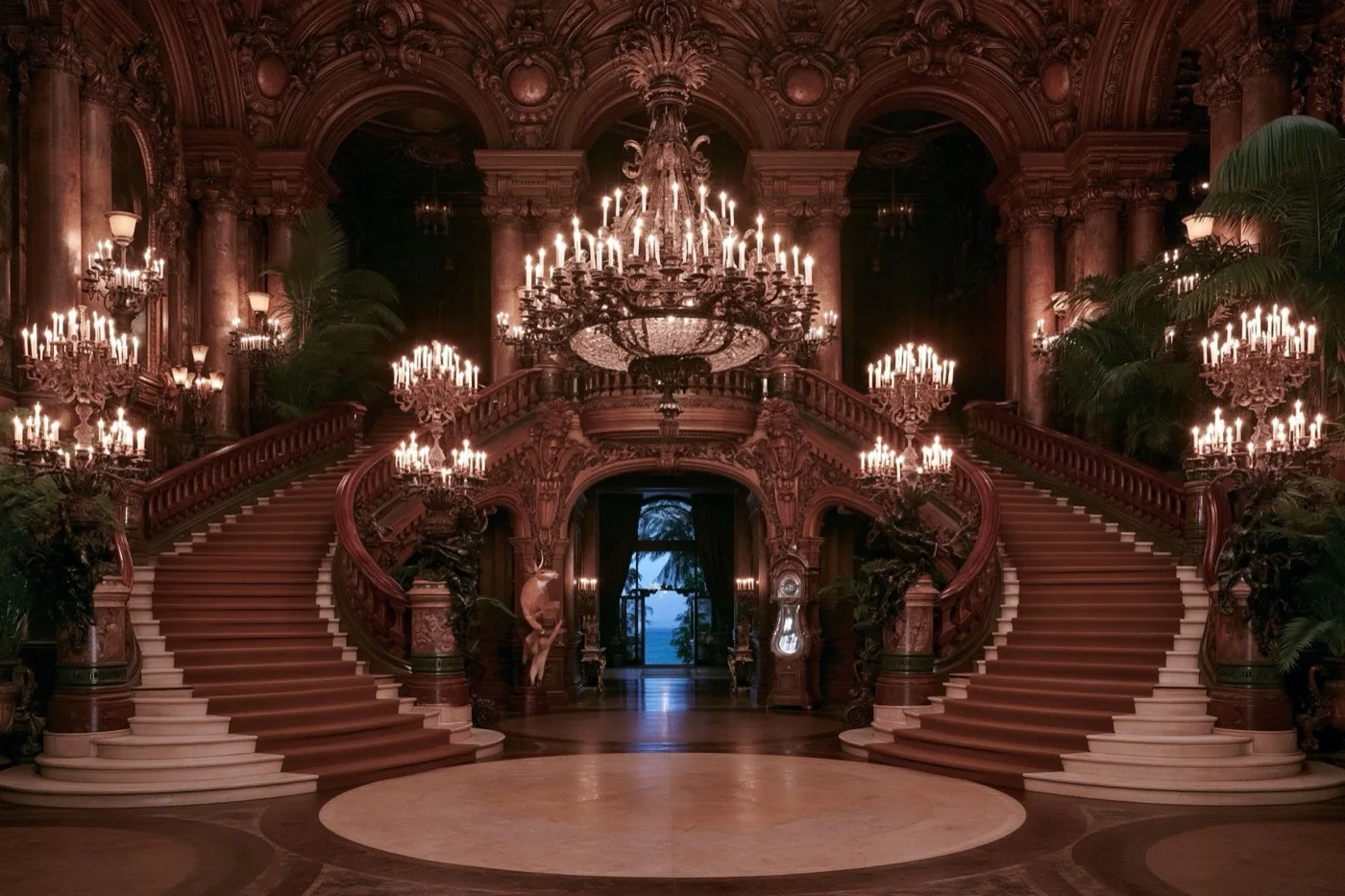
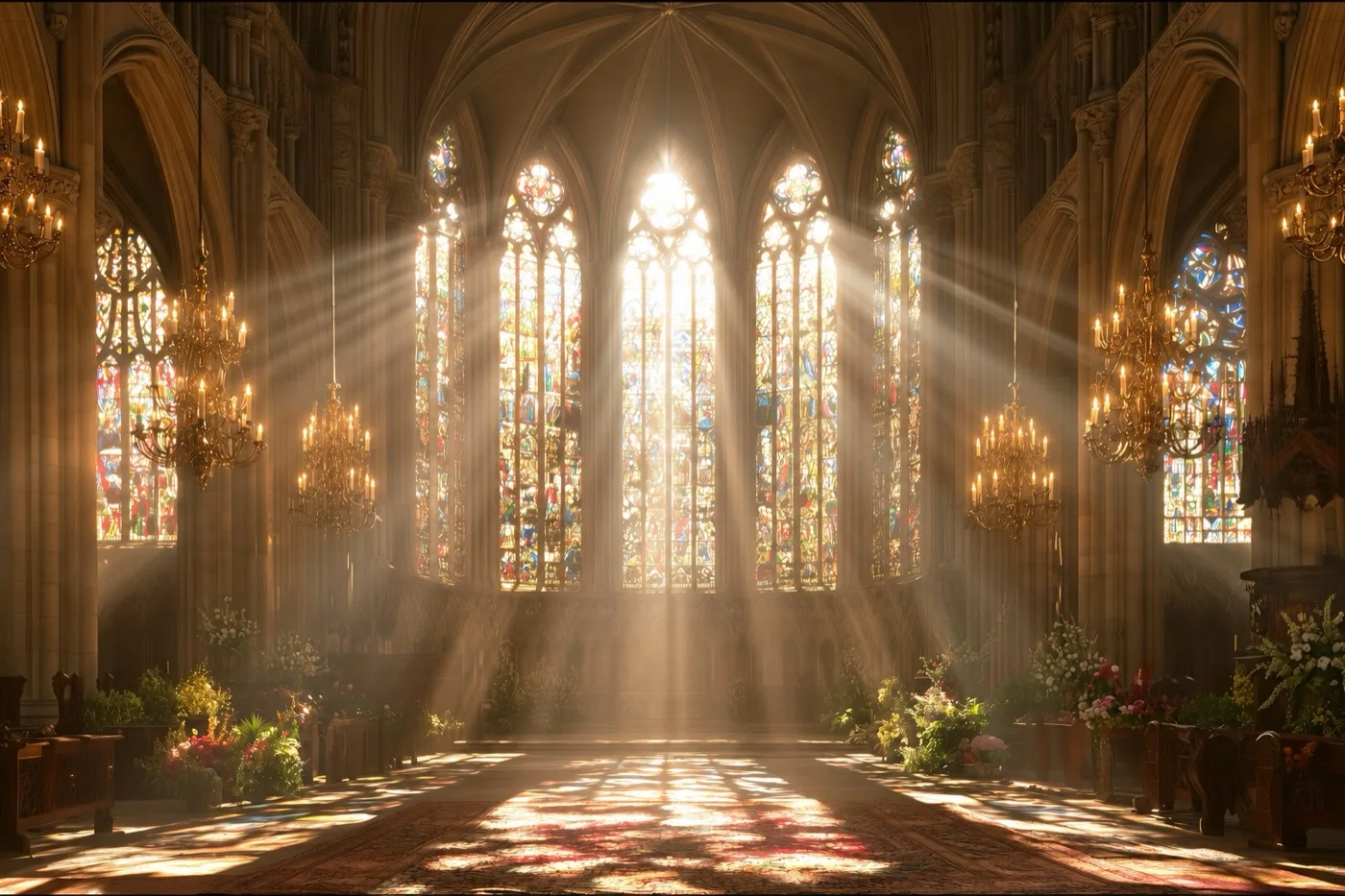
The first room was a Victorian study. Then came a conservatory, an opera hall, a cathedral and a train carriage. Each has its own light, music and details to switch on or off.
Making a room you can change
The room is the main interface. In the study, the fire, rain, gramophone and lamps can be controlled from the objects themselves or from a small bar at the bottom. Finer adjustments live in an optional settings panel. The controls can disappear entirely when I just want the room.
Day and night are separate from the lamps. A daytime room can have its lights on or off; night does not have to mean complete darkness. I made matching lighting versions of the same artwork so that these changes affect the actual room, rather than putting a dark overlay over everything.
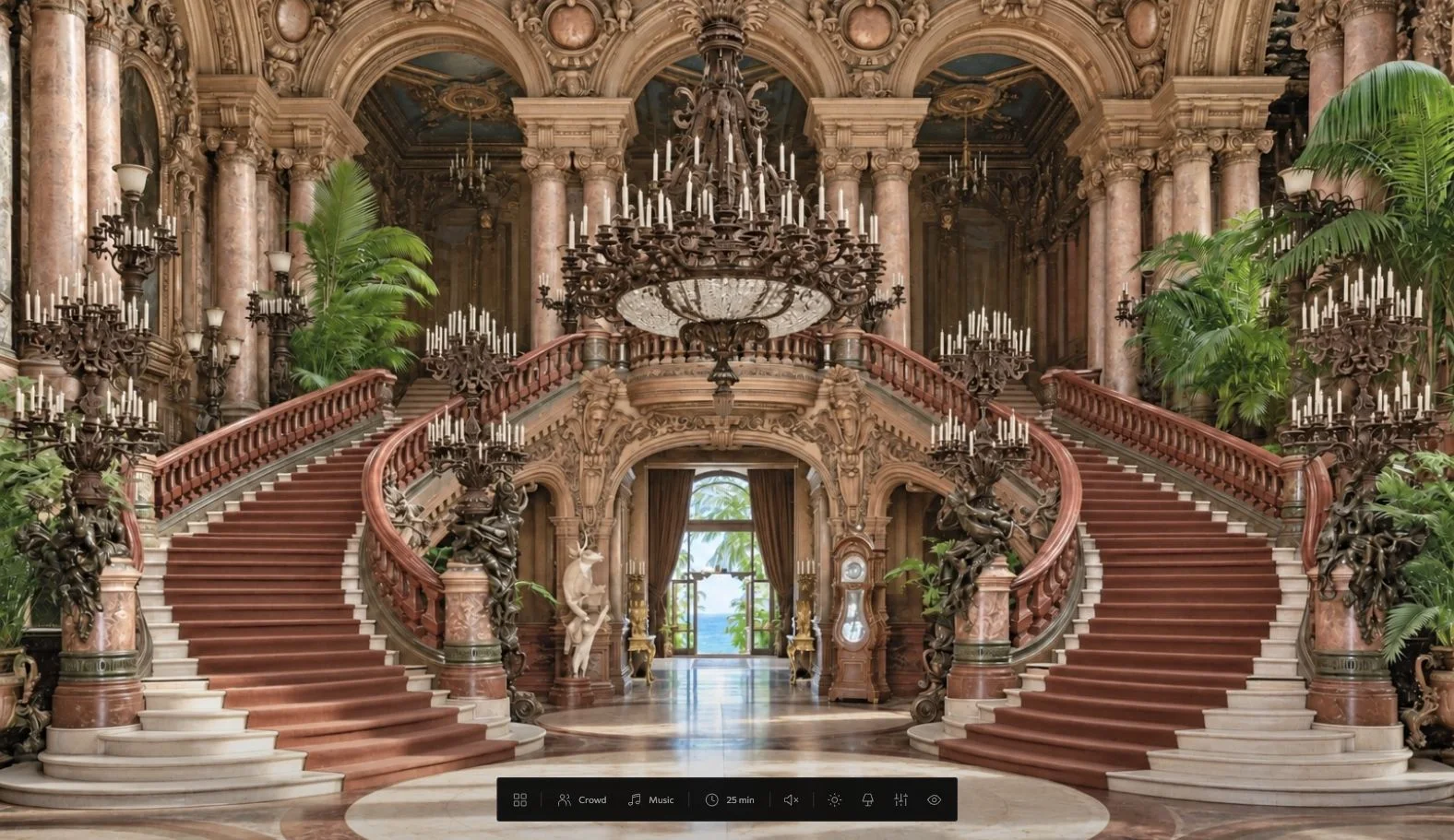
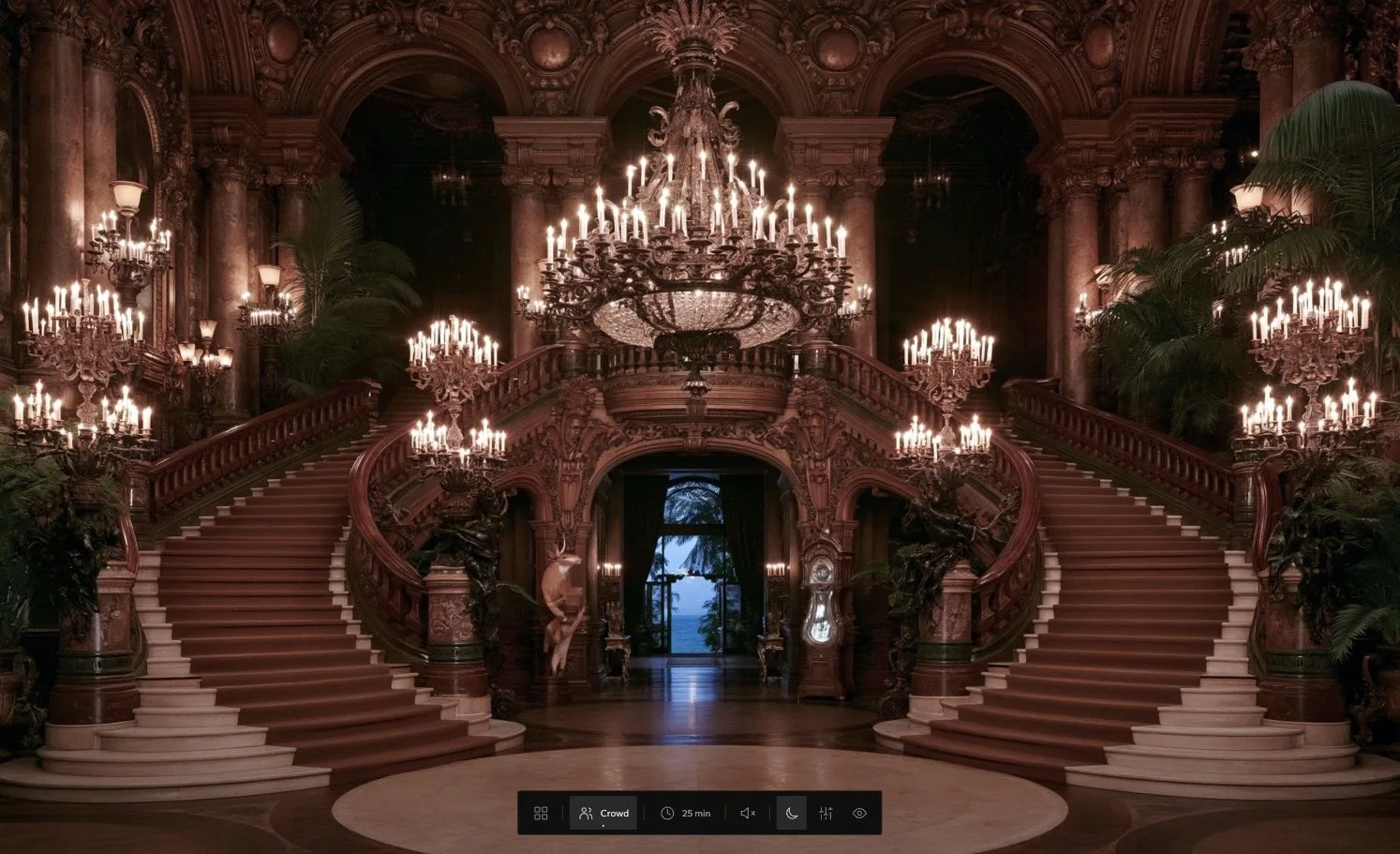
There is a timer if I want a bounded session, including a 25-minute preset and a custom duration. When it ends, the sound fades and a soft bell marks the finish. It is optional: the room can just stay open.
Giving each place its own sound
The sounds belong to the setting: a fire and rain in the study, birdsong in the conservatory, a waiting audience in the opera hall. Music and ambient sounds have separate volume controls, so I can hear one, both, or neither.
I chose a different classical programme for each room: Bach’s Goldberg Variations in the study, Saint-Saëns in the conservatory, Tchaikovsky in the opera hall, Bach on the organ in the cathedral, and Schubert in the train. I wanted at least twenty minutes of music before a recording repeats. The study’s complete Goldberg Variations run for about eighty-two minutes.
Choosing the recordings was part of the work. I checked reuse rights for each performance, listened to alternatives and kept the performer, source and licence in the app’s credits. The pieces play at their original tempo.
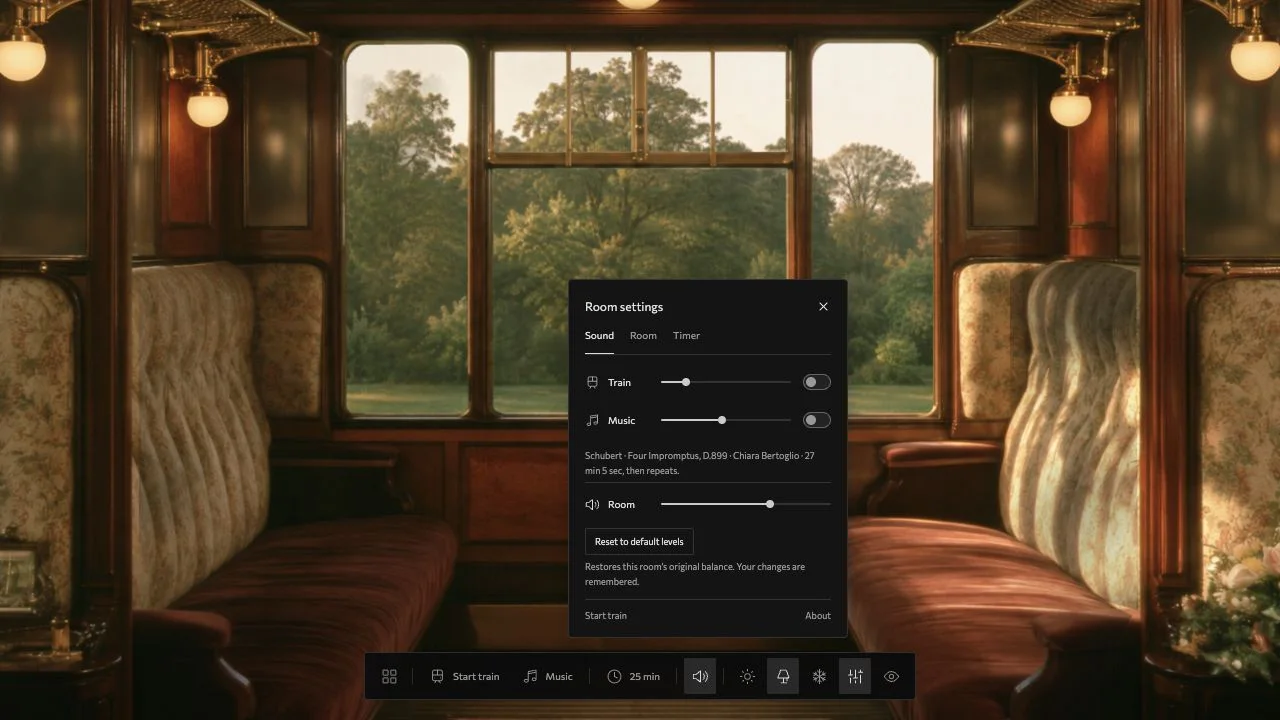
Before release, I reviewed every room’s starting balance. The train was overpowering its music, so I reduced it. The app remembers personal mixes and provides a reset to the original levels; the first listening experience should already work before someone opens the sliders.
Making the still images feel alive
I created the original room images in Midjourney, then used Codex to build the interactions around them. OpenAI ImageGen helped make matching lighting versions and extend the train’s outside scenery. The images provide the setting; moving light, weather, sound and controls turn it into an experience.
The study’s fire uses filmed flames behind the stationary grate. In the conservatory, I mapped rain onto the near and distant glass, keeping it off the plants, doorway and solid panels. In the cathedral, moving daylight and moonlight cross the floor while the architecture stays still.
The train needed a different kind of movement. The scenery passes outside the windows, with reflections and shifting light inside the carriage. Starting and stopping share one timeline for the sound and motion, so the journey accelerates and settles together. Day, night, lamps and falling snow remain independent.
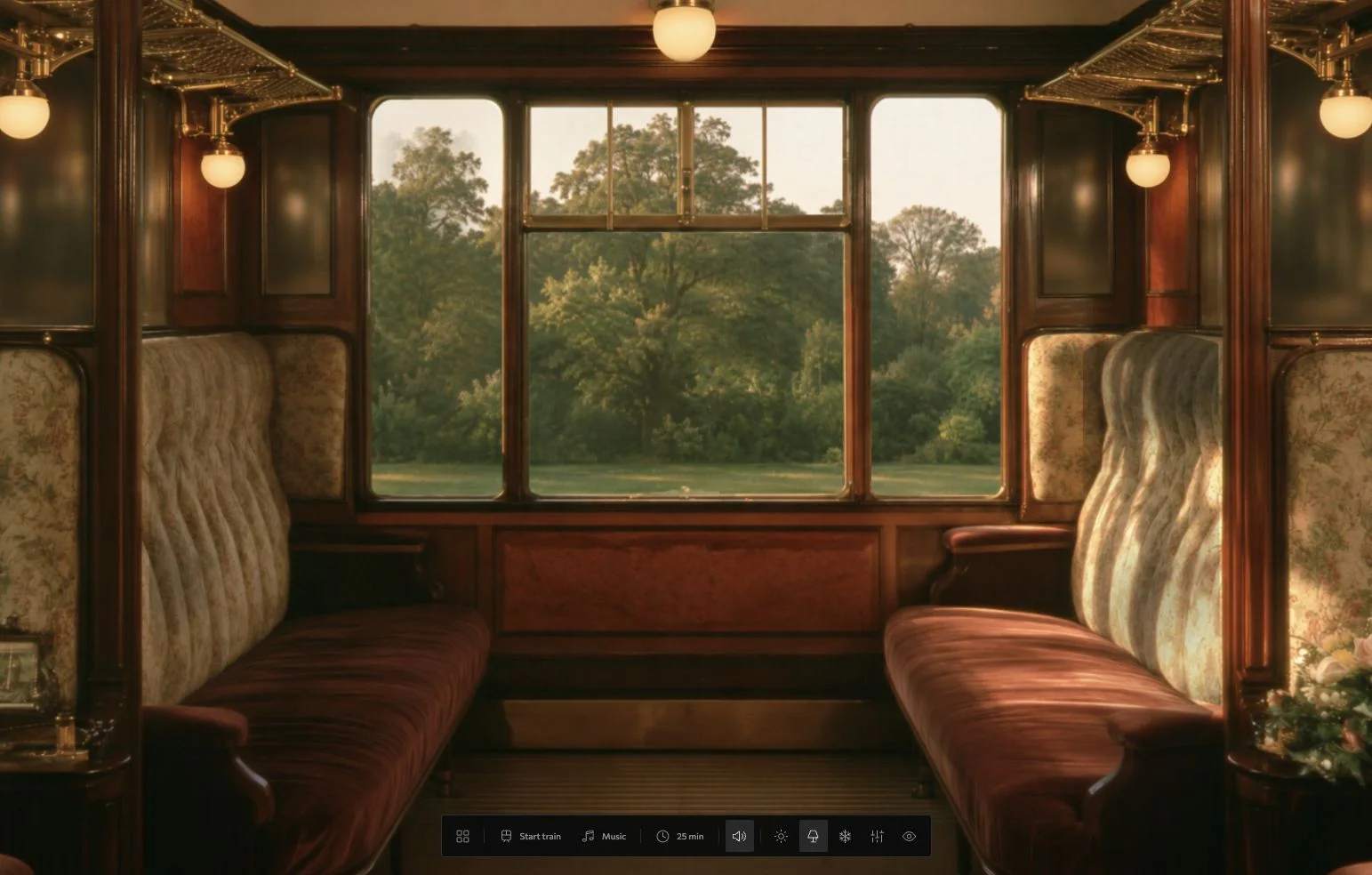
The first train version also made my Mac run too hot. I revised the rendering and animation scheduling, then checked the result again on the Mac and on the physical Apple TV. Performance was part of making a room I could comfortably leave running.
From my Apple TV to a web release
The first goal was personal: open a room directly on my Apple TV and use the remote. I built a native SwiftUI version, with remote navigation, sound mixing and the timer, and tested the rooms on my own television.
I also built the browser version in React and TypeScript. That became the first public paid release: €9 once for all five rooms, with no subscription. The website has English and French landing pages, Stripe checkout and email-link sign-in. The Apple TV version remains a personal build, with a public app release still a possibility.
The web experience runs on Cloudflare, with the long recordings streamed separately. Access follows the purchase email across devices; room preferences and sound levels stay in each browser.
Designing the invitation
For the website, I brought the rooms into the hero itself. The artwork changes, while the headline rolls through different ways to use the space: focus, relax, read, meditate, work and sleep. The first invitation is to explore the rooms; the price and purchase come further down the page.