Website + Skill · September 2026
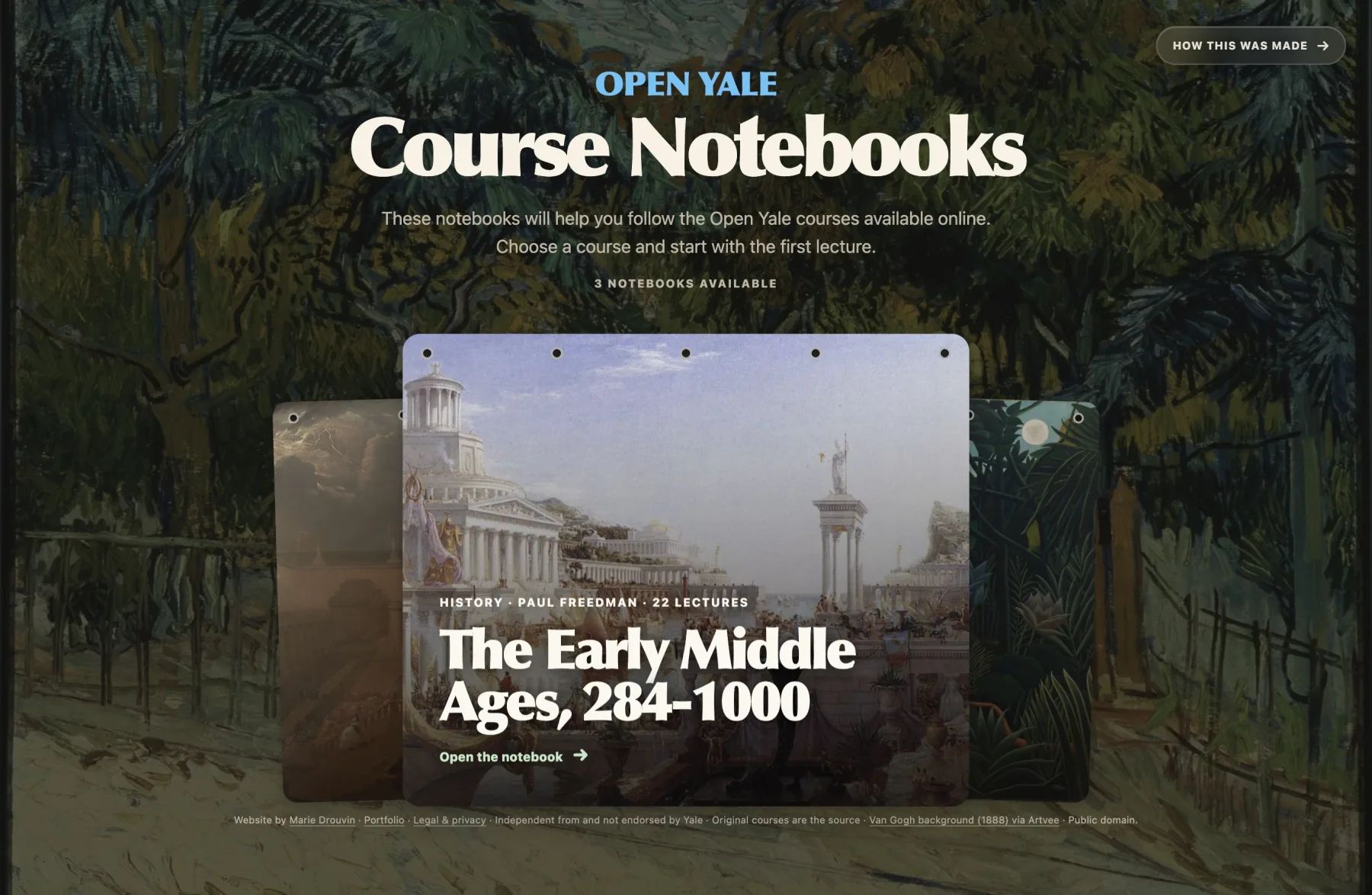
Open Yale Course Notebooks
A free website I designed and built around four public Yale lecture series, plus an open-source Codex skill that turns verified course sources into the same notebook format.

Hey, I’m Marie. I like making things on the internet, and this year I’m going all in on exploring AI. This portfolio contains the experiments that worked: things I actively use or have launched.
I’m open to product design roles, selected freelance work and collaborations with people building thoughtful AI products.
Available for web and product design work ·mariedrouvin.com@gmail.com
Website + Skill · September 2026
A free website I designed and built around four public Yale lecture series, plus an open-source Codex skill that turns verified course sources into the same notebook format.
Tool · September 2026
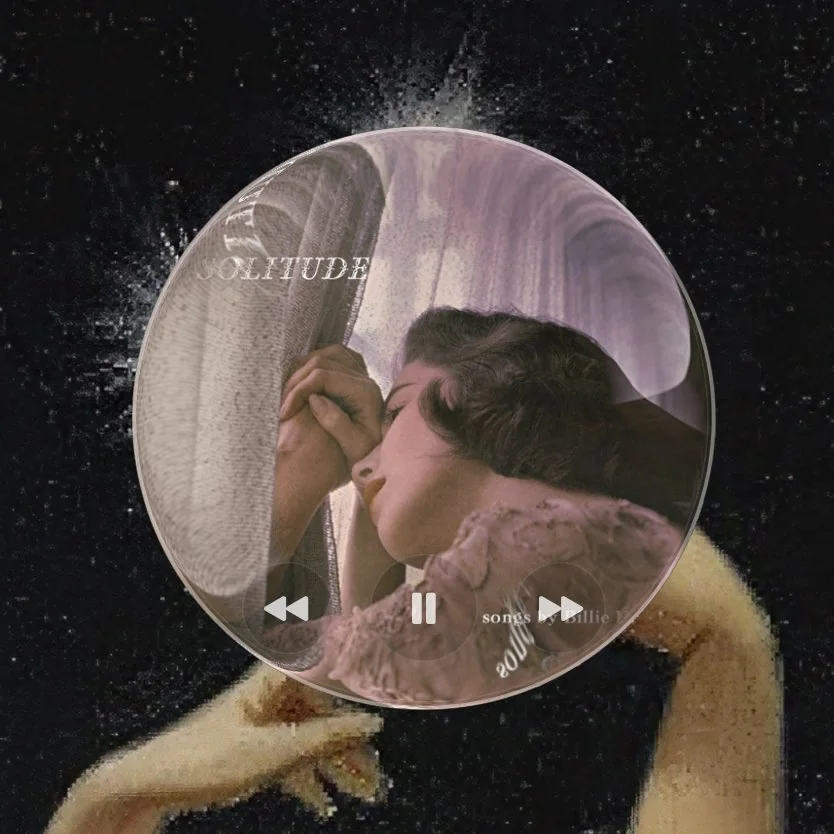
A native macOS companion I designed and built to keep the current Apple Music artwork on the desktop as a movable glass-like bubble with playback controls.
Website · August 2026
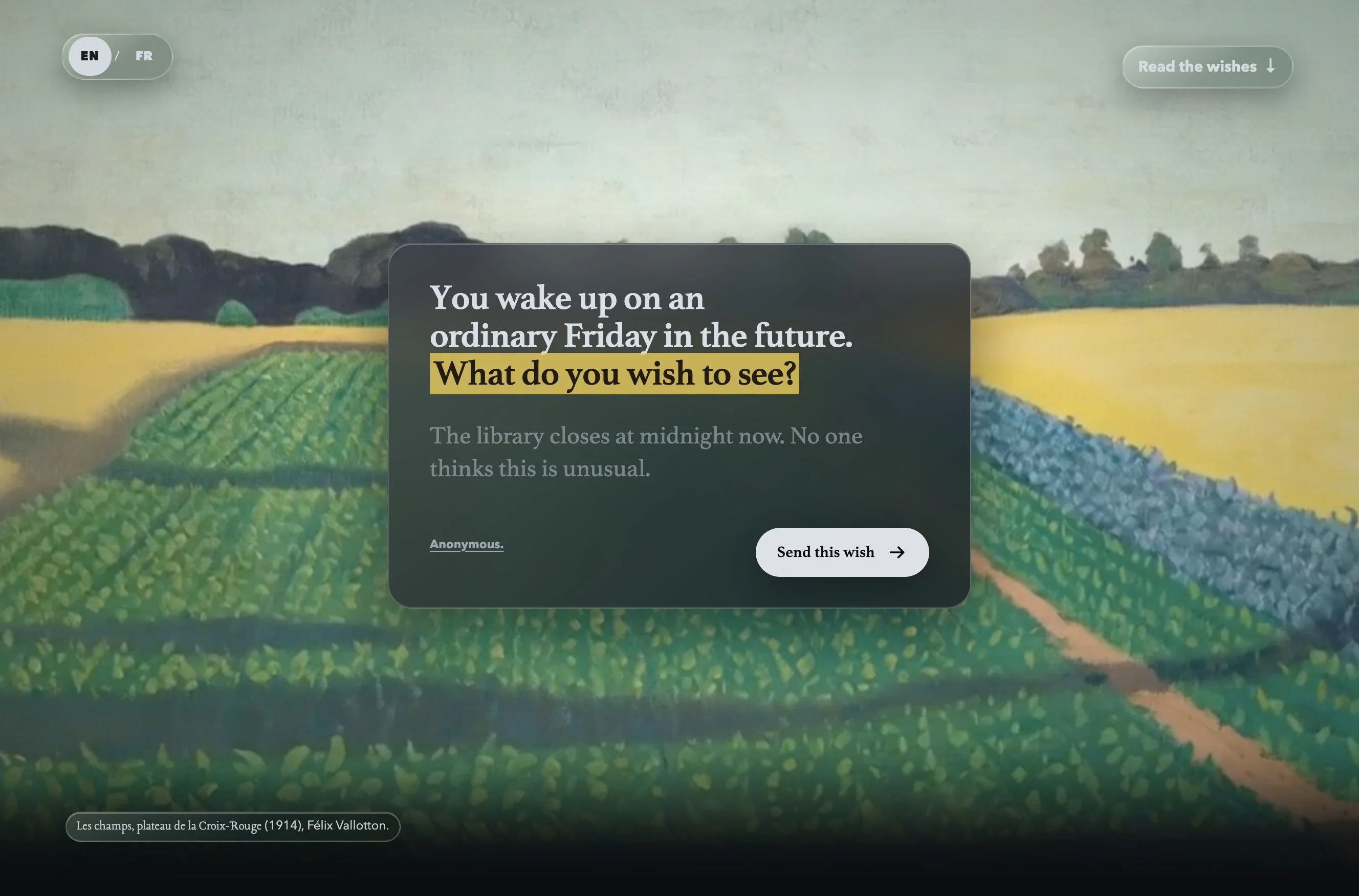
A bilingual participatory web artwork I designed and built. People anonymously submit one ordinary scene from a future they want to inhabit, then read the public archive.
Tool · July 2026
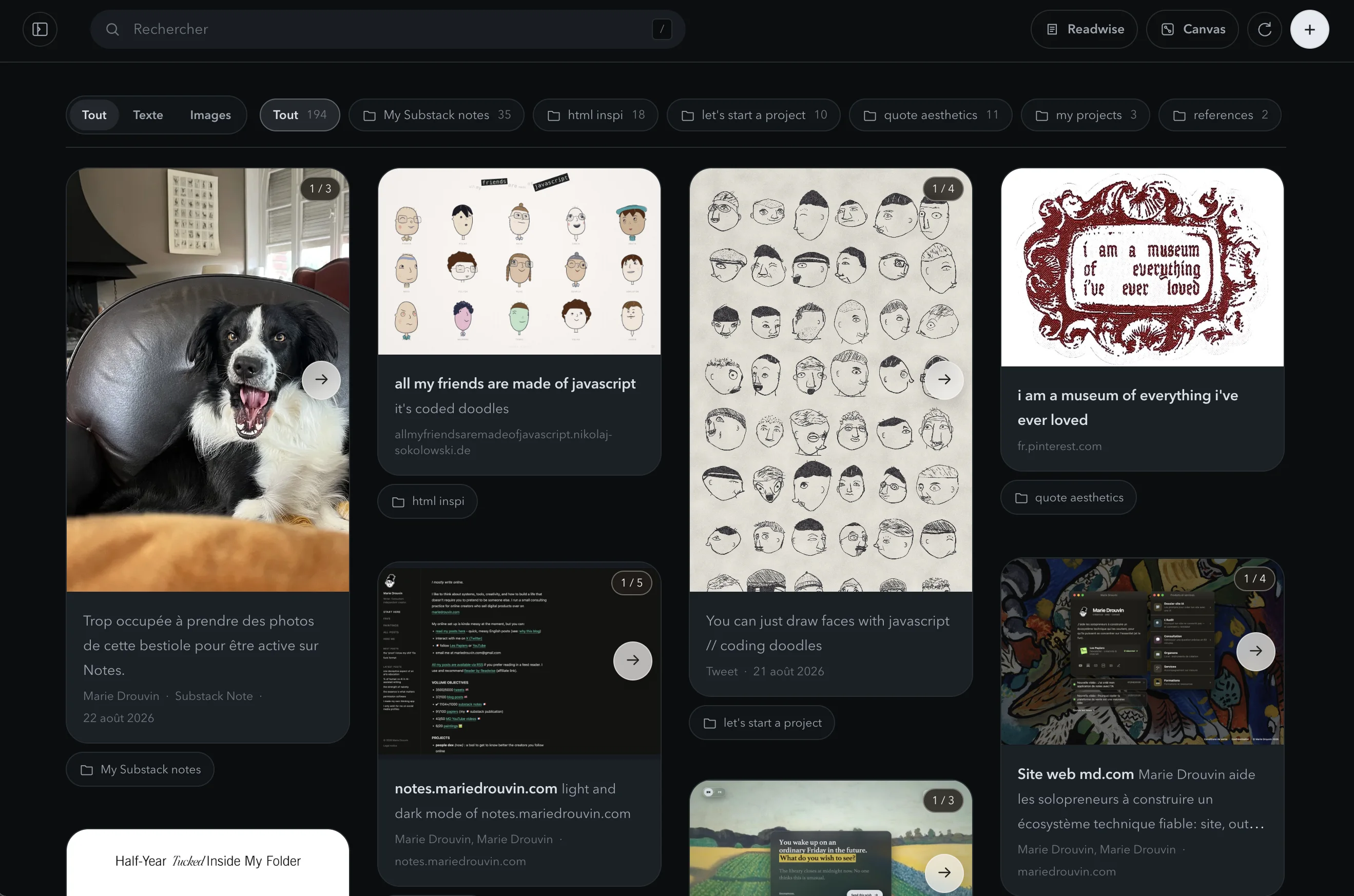
A private visual archive I built to collect references, think with them on a canvas and call them into my AI work by code or collection.
Tool + Automation · August 2026
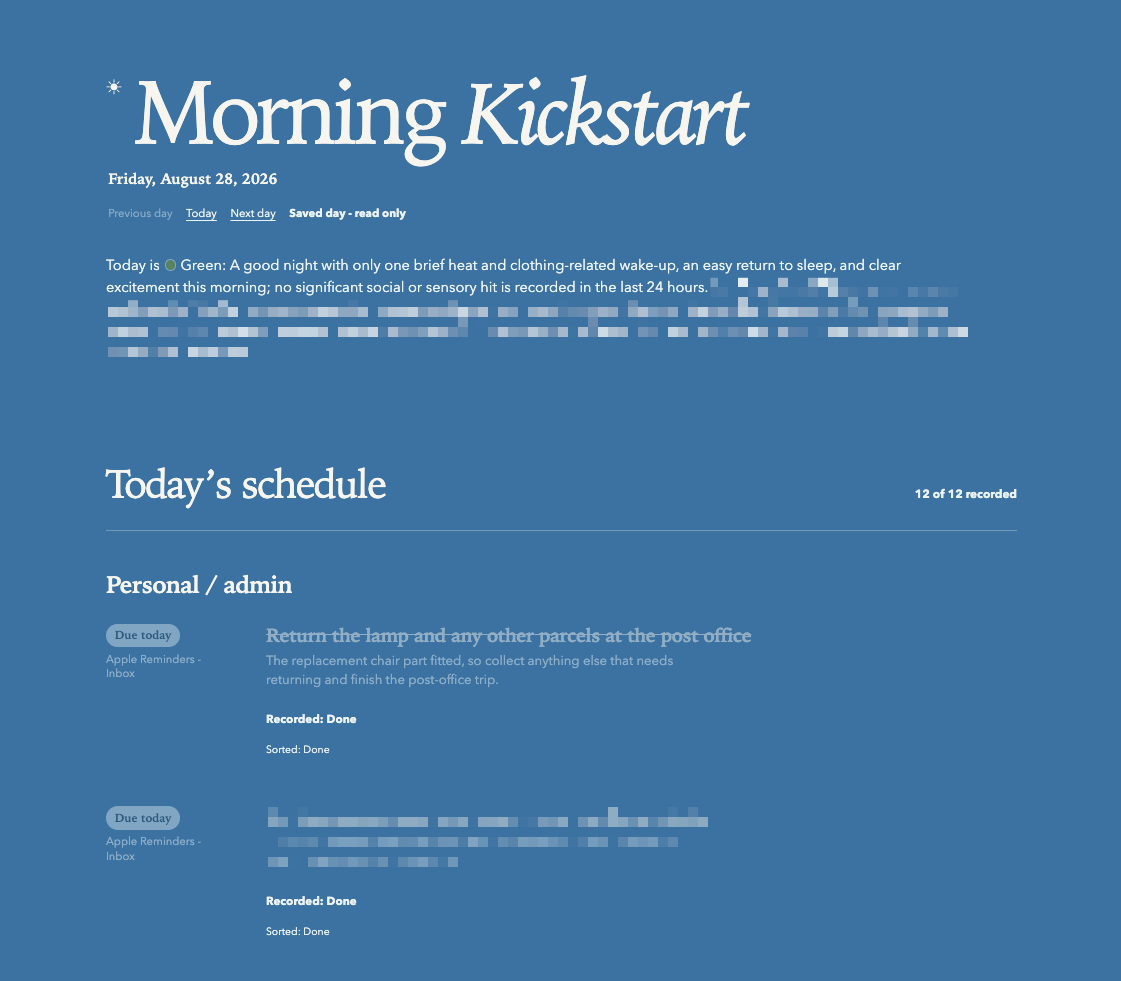
A private AI-assisted daily launchpad I designed around my real workflow. It turns Calendar, Reminders and live project context into ready-to-start actions, then records decisions back to the right systems.
Tool · July 2026
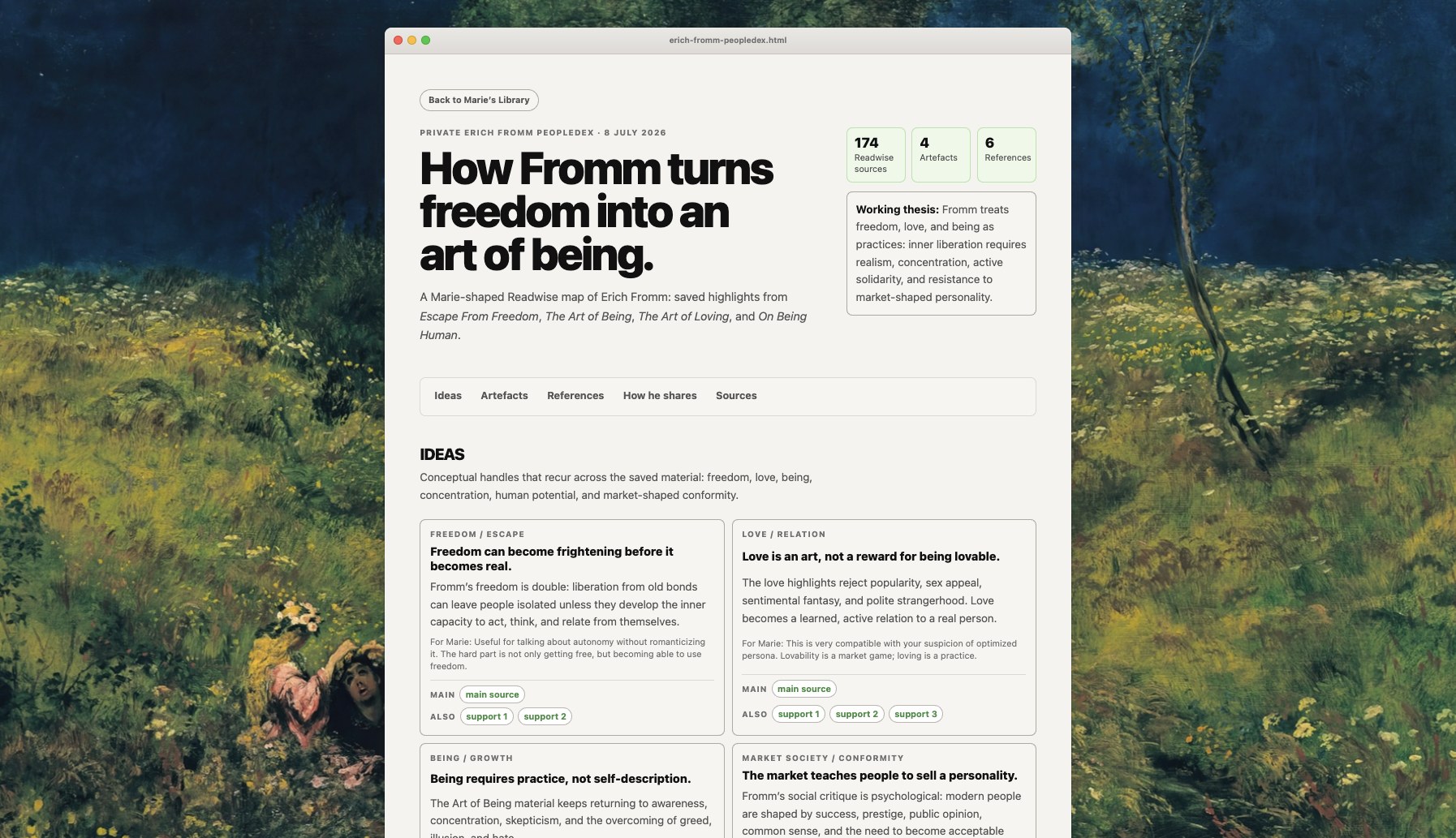
A private research workflow I built to understand how the people I admire think, work and share what they make, without losing the sources behind the interpretation.
Publication · April 2023
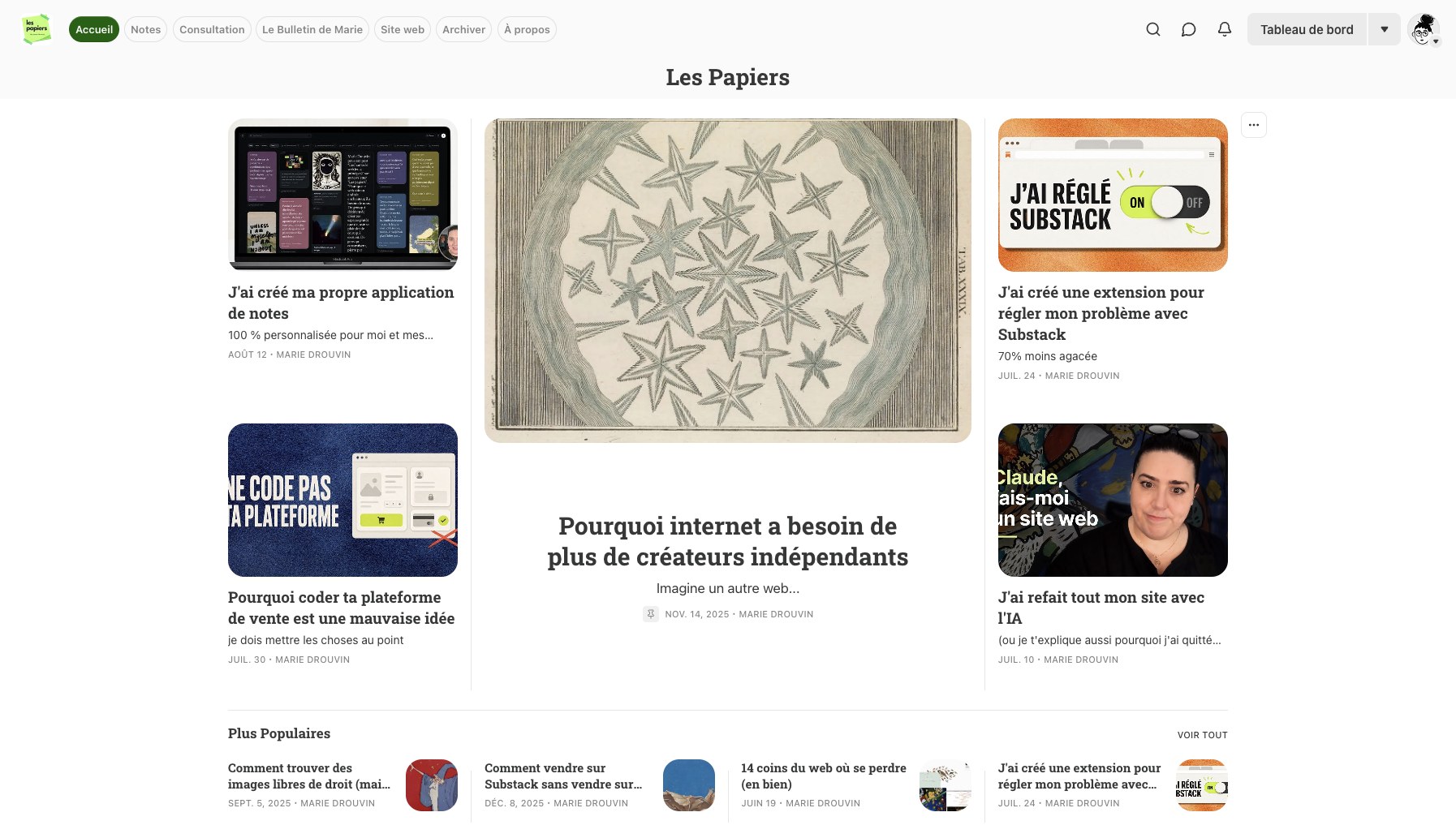
A French-language online magazine about creativity, AI, personal websites and the people making the internet feel alive again, which I publish on Substack.
Book · April 2026
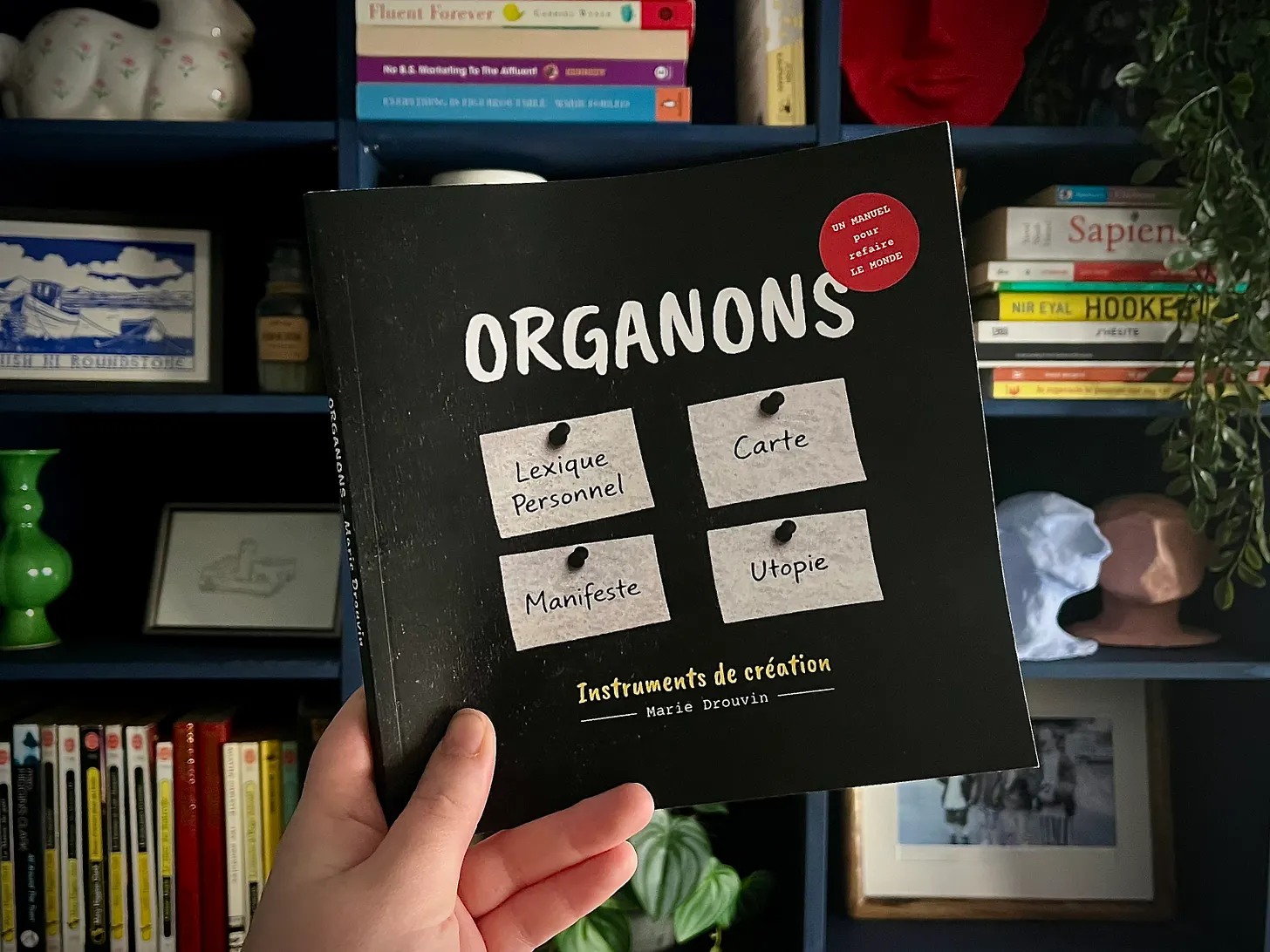
A visual book I wrote and designed around four historical thinking instruments for creative practice: lexicons, maps, manifestos and utopias.
Private workflows · 2026
A small set of AI-assisted workflows I built to move work through capture, planning, making, publishing and review.
A private, phone-friendly library I built for interactive courses, source-led research reports and small tools.
A private research workflow I built to understand how the people I admire think, work and share what they make, without losing the sources behind the interpretation.
When I discover a creator I really connect with, I tend to go deep into their archive. I read the new work, the very old work and everything in between. I think of these people as distant mentors: their ideas affect me emotionally, but I also want the way they think to change the way I work.
I wanted to understand more than what they say. I wanted to see the ideas that keep returning, what they build, how they collect and develop ideas, which references shape them and how they decide to share something.
PeopleDex came from the realisation that AI could help me do that systematically. I feed the skill substantial source material from someone who already matters to me, and it turns that material into a sourced profile I can explore in my private library.
Each profile is organised around six questions:
The references are one of my favourite parts because they send me down useful rabbit holes. Visakan Veerasamy references superhero films. Alex Dobrenko references Windows 95 and coding environments. JA Westenberg’s references are more like tech minimalism: webcam, room, no B-roll.
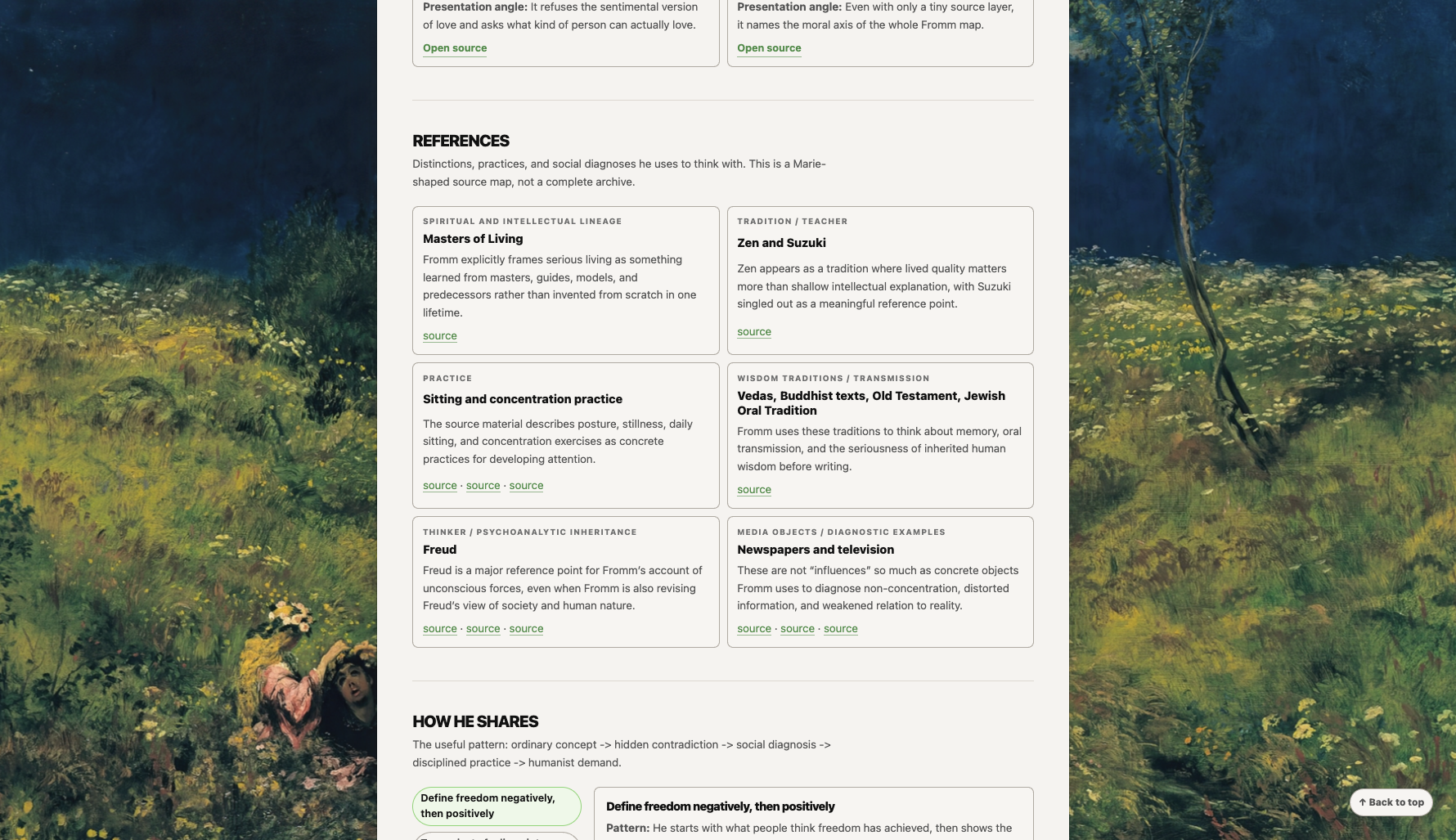
Readwise highlights are usually the starting point because I have already highlighted these people heavily before deciding to build a profile. I add a few complete pieces that had a real impact on me. A full presentation is ideal: it gives the skill enough context to understand what the person is working on now, instead of treating isolated excerpts as the whole picture.
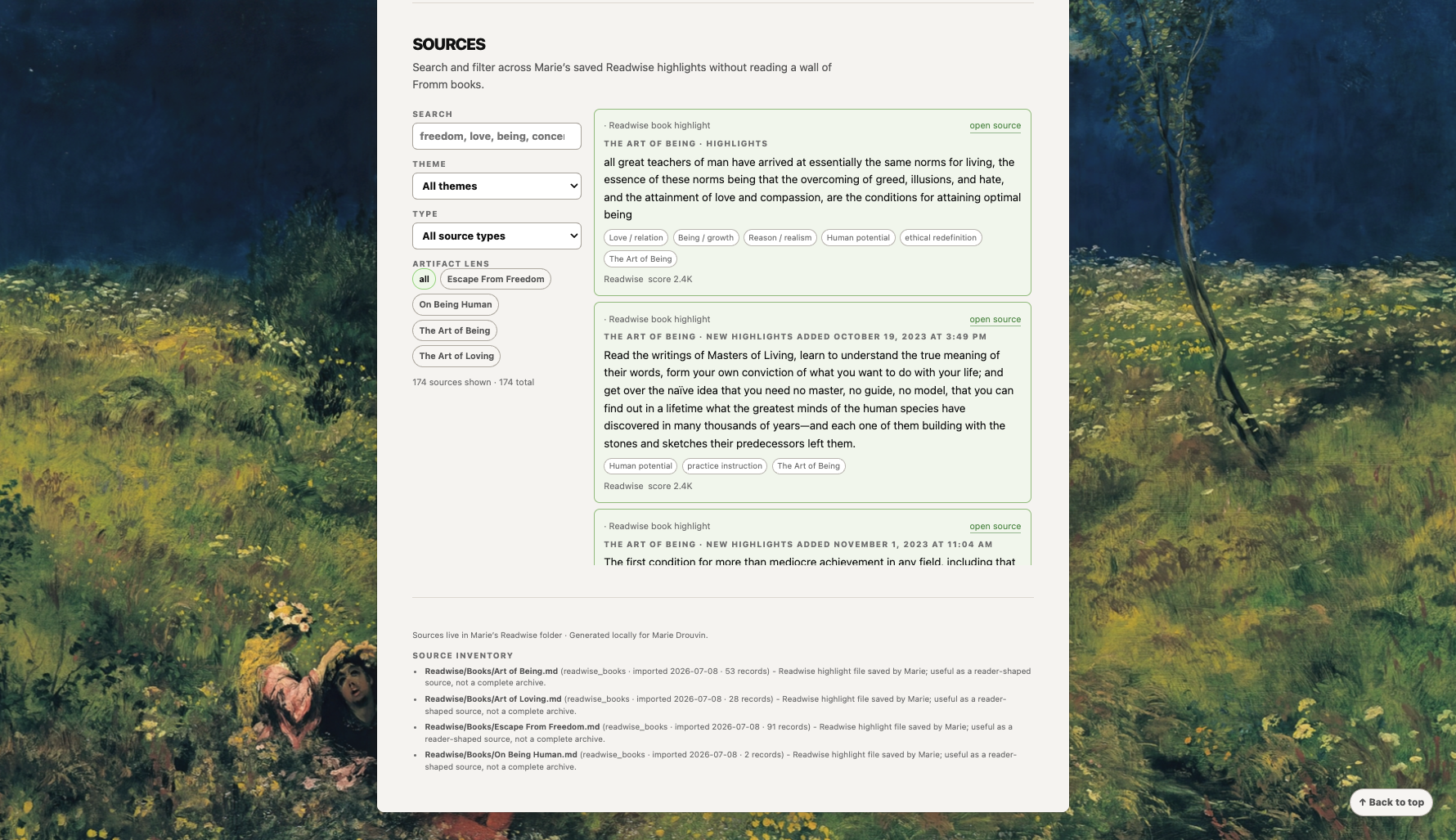
Every interpretation links back to Sources. The material is organised by idea and source type, so I can check what the AI surfaced instead of treating it as fact.
The most transformative part of PeopleDex is not the archive itself. It is that I have actually added some of my distant mentors’ reflexes to my own workflow.
Zara Zhang opens videos by starting with the problem. I studied that from her, and now I feel much more confident making short videos about the little products I build. I know how to find the angle before I start explaining the thing.
Another Zara principle has become integral to how I work: build first, then learn. I build something with AI, then ask the AI how it was built. I have learned far more about how things work on the internet by doing it in that order than by trying to learn everything before making anything.
Alex Dobrenko turns the talk into the thing. I have not had the right presentation to try this yet, but I cannot wait to create an environment that is itself the talk: the actual room the audience enters. That idea has completely changed what I want a presentation to be.
PeopleDex has not needed a major redesign since I made it. At this point, I add people rather than features.
There are six profiles now, starting in July. It is a deliberately slow, long-term archive because I only add someone when their work genuinely matters to me. I do not find a new person like that every week, and that is part of the point.
A small set of AI-assisted workflows I built to move work through capture, planning, making, publishing and review.
A private publication workflow that checks a finished Les Papiers draft, suggests internal links and prepares the files and URLs needed to publish it.
A private writing workflow for producing consistent French YouTube descriptions with a clear opening and relevant links.
A private presentation workflow I use to turn teaching material into responsive HTML slides in the visual language of mariedrouvin.com.
A private image-production workflow that applies my visual system while keeping the centre clear for YouTube’s play button.
A local automation I built to turn new Monologue notes into full transcript files, then add a structured summary and exact link to the corresponding daily note.
A private vault workflow that creates a durable project folder, action properties, context and journal from a single brief.
A private publishing workflow that turns a Markdown news item into validated data and updates the homepage and news archive on mariedrouvin.com.
A private publishing workflow that prepares and checks an Obsidian draft, builds the public article and deploys it to notes.mariedrouvin.com.
A local end-of-day automation that combines completed reminders with daily-note evidence and writes a concise record of what actually happened.
A private monthly review workflow that synthesises notes, transcripts, calendars, sales, published work and reading history.
A private, offline-first web app I built to capture possible social posts without opening a feed.
The bilingual website I designed and built to make my websites, tools, skills, automations, publications and internet experiments easy to explore.